Enhancing Product Design with Wisconsin's Advanced Injection Mold Solutions
The Landscape of Plastic Injection Molding in Wisconsin
Overview of Injection Molding Services in Wisconsin
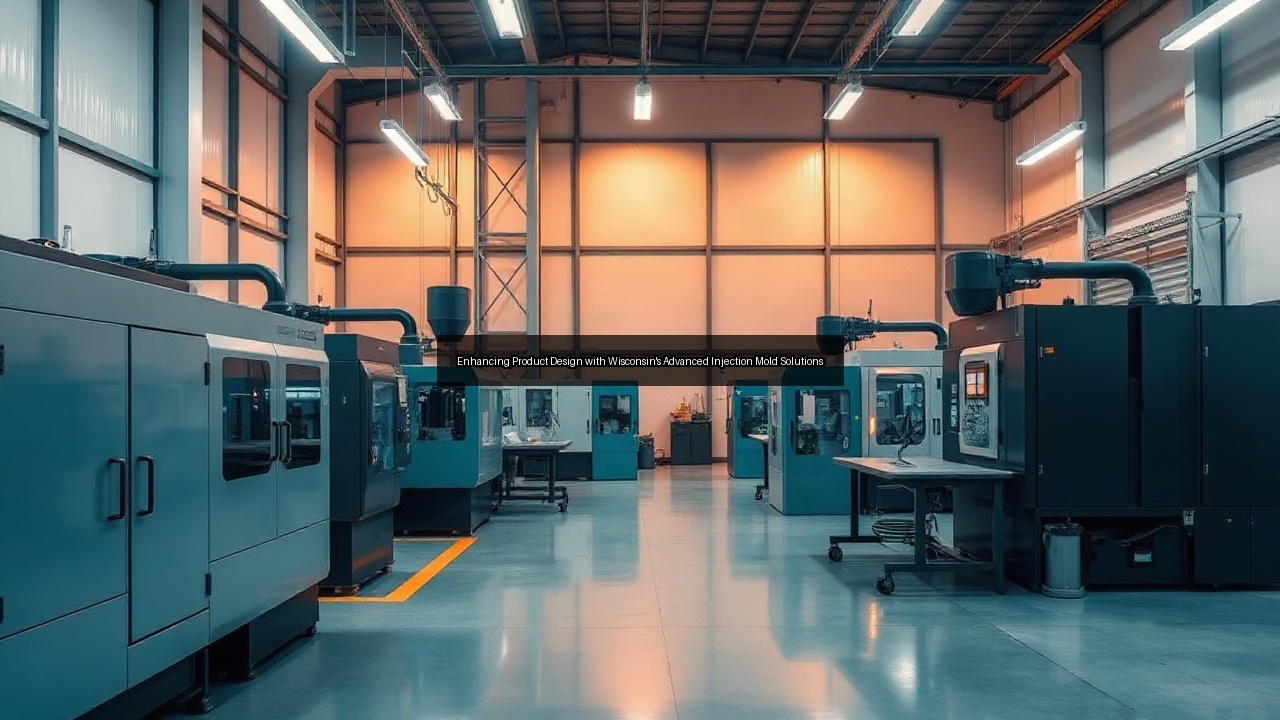
Wisconsin custom plastic injection molding delivers precision parts for industries that demand tight tolerances and repeatable quality. Companies across the state operate advanced presses that handle everything from small medical components to large automotive housings. Injection molding services Wisconsin cover design assistance, mold construction, material selection, and full production runs. Local facilities maintain ISO certifications and run real-time monitoring systems that track pressure, temperature, and cycle times. These capabilities allow manufacturers to scale quickly while holding dimensional accuracy within thousandths of an inch. Clients benefit from shorter lead times because tooling and production happen in the same region rather than overseas.
Key Players in Wisconsin's Injection Molding Industry
Several established Wisconsin injection molding manufacturers lead the sector with specialized equipment and engineering teams. Firms such as those in the Milwaukee and Madison corridors run high-tonnage machines capable of multi-cavity molds. They invest in automation cells that remove parts, inspect quality, and pack products without manual handling. Smaller shops focus on prototype and low-volume work, giving designers fast feedback on part geometry. Together these companies form a robust supply chain that supports everything from consumer goods to heavy equipment. Their collective expertise keeps Wisconsin competitive against larger manufacturing states.
The Importance of Local Manufacturing for Custom Plastic Solutions
Choosing a Wisconsin injection molding supplier keeps intellectual property and production knowledge inside the state of Wisconsin. Local contract manufacturers respond faster to design changes because engineers can meet face-to-face. Shipping costs drop dramatically when molds and finished parts travel short distances. Supply disruptions from global events affect distant suppliers more severely, while regional partners maintain steady resin inventories. This proximity also supports just-in-time delivery programs that reduce warehouse needs for original equipment manufacturers.
Innovative Techniques in Injection Mold Solutions
Understanding Two-Shot Injection Molding
Two-shot injection molding creates parts with two different materials or colors in a single cycle. The process begins with the first shot forming the substrate, then the mold rotates or shifts to accept the second material. This technique bonds soft-touch grips to rigid handles without secondary assembly. Wisconsin manufacturers use it for medical devices, power tools, and automotive seals. Cycle times stay short because both materials process inside one machine. Designers gain freedom to combine rigid and elastomeric properties that improve ergonomics and sealing performance.
The Role of Thermoplastic Injection Molding
Thermoplastic injection molding dominates production because materials such as nylon, polypropylene, and ABS flow easily and cool quickly. These resins accept glass fiber reinforcement for added strength without adding weight. Wisconsin facilities run both standard and high-temperature thermoplastics that withstand under-hood automotive conditions. The process supports complex geometries with undercuts handled by sliding cores or collapsible cores. Recyclability of sprues and runners further improves material yield during long production runs.
Advancements in Mold Making Technologies
Modern mold making in Wisconsin incorporates conformal cooling channels created through additive manufacturing. These channels follow the part contour and reduce cycle times by up to thirty percent. High-speed milling machines cut hardened steel cavities to mirror finishes that eliminate secondary polishing. Simulation software predicts fill patterns and warp before steel is cut, saving weeks of trial runs. Shops also use laser texturing to apply logos or grip patterns directly into cavity surfaces, removing the need for secondary operations.
Applications of Injection Molded Products
From Toothbrushes to Industrial Parts: Diverse Applications
Injection molded plastics appear in everyday items such as the toothbrush you use each morning and in critical industrial valves that control fluid flow. Consumer products rely on multi-cavity molds that produce thousands of identical parts per hour. Industrial clients order large structural components molded from glass-filled resins that replace metal castings. The same Wisconsin plants often run both product lines on different presses, demonstrating the flexibility of the process. This range of applications shows how plastic injection molding wisconsin supports both high-volume consumer goods and low-volume specialty equipment.
How Injection Molded Plastics Revolutionize Product Design
Injection molded parts allow designers to consolidate multiple components into single pieces, reducing assembly steps and potential failure points. Snap-fit features, living hinges, and integrated seals become possible without extra hardware. Lightweight plastics replace heavier metals, improving fuel efficiency in vehicles and portability in handheld devices. Color can be molded throughout rather than applied as paint that chips over time. These advantages drive continuous innovation in product architecture across medical, electronics, and appliance sectors.
Case Studies of Successful Injection Mold Projects in Wisconsin
One Wisconsin injection molding manufacturer helped a dental equipment company replace a machined aluminum housing with a glass-filled polycarbonate part. The new design cut weight by forty percent and reduced cost by twenty-five percent while meeting strict sterilization requirements. Another project involved a contract for outdoor power equipment where two-shot injection molding added a soft grip to a rigid throttle lever. Production volumes reached 500,000 units annually with zero field failures reported after three years. These examples illustrate how local expertise turns design concepts into reliable, cost-effective products.
Choosing the Right Injection Molding Supplier in Wisconsin
Factors to Consider When Selecting a Wisconsin Injection Molding Manufacturer
Evaluate press tonnage range, material expertise, and quality certifications first. Ask about in-house mold making capabilities because shops that build their own tooling control lead times better. Review their experience with the specific resins your product requires, especially if glass-filled or high-temperature materials are involved. Request references from similar industries and examine sample parts for flash, sink marks, and dimensional consistency. Finally, confirm their capacity for both prototype and production volumes so the relationship can scale with demand.
The Benefits of Contracting Local Injection Molding Services
Contract manufacturing with a Wisconsin plastic injection molding services provider reduces transportation emissions and supports regional employment. Face-to-face meetings accelerate problem solving when tooling adjustments become necessary. Local suppliers understand state regulations on plastic fabrication and can guide material choices accordingly. Payment terms often favor domestic partners, and currency fluctuations do not affect pricing. These advantages compound over multi-year programs where stability and communication matter most.
Evaluating Quality and Efficiency in Injection Mold Production
Quality systems should include scientific molding principles that document every process parameter. Real-time cavity pressure sensors detect deviations before defective parts accumulate. Efficiency metrics such as overall equipment effectiveness above eighty-five percent indicate disciplined operations. Ask suppliers to share scrap rates and how they reclaim or recycle runners. Consistent performance in these areas signals a mature operation ready to deliver repeatable results on every order.
Future Trends in Wisconsin's Injection Molding Sector
The Impact of Sustainability on Plastic Fabrication
Sustainability initiatives push Wisconsin manufacturers toward recycled resins and bio-based materials without sacrificing mechanical properties. Closed-loop systems grind and reprocess sprues directly at the press. Lightweighting programs reduce material usage per part while maintaining strength through optimized rib designs. These efforts align with customer demands for lower carbon footprints and help companies meet corporate sustainability targets. Wisconsin facilities that adopt these practices early gain competitive advantages in bids that include environmental scoring.
Emerging Resins and Materials in Injection Molding
New high-performance resins enter the market with improved chemical resistance and higher heat deflection temperatures. Glass-filled compounds now include recycled content while retaining tensile strength. Conductive plastics allow molded housings to serve as electromagnetic shields, eliminating separate metal components. Wisconsin injection molding manufacturers test these materials on production presses to validate cycle times and surface quality before full-scale adoption. Early access to such resins lets designers create next-generation products with superior performance.
Predictions for Growth in Wisconsin's Injection Molding Industry
Industry analysts expect continued expansion as reshoring trends bring more projects back to the Midwest. Wisconsin injection molding supplier networks continue to invest in automation that offsets labor shortages. Growth in electric vehicle components and medical devices will drive demand for cleanroom molding and precision two-shot processes. The state of Wisconsin maintains a skilled workforce pipeline through technical colleges that train mold makers and process technicians. This combination of infrastructure, talent, and proximity to major OEMs positions the region for steady increases in both output and capability over the next decade.
See Also
- How Wisconsin's Plastic Injection Molding Industry is Shaping Sustainability
- Exploring the Future of Plastic Injection Molding in Wisconsin
- Why Wisconsin is a Hub for Innovative Injection Mold Technologies
- Top Wisconsin Manufacturers Leading the Charge in Custom Plastic Injection Molding
- The Benefits of Two-Shot Injection Molding for Wisconsin Businesses