Exploring the Impact of Ultrasonic Inspection in Dynamic Balancing Processes
Understanding Dynamic Balancing Services
Overview of Dynamic Balancing
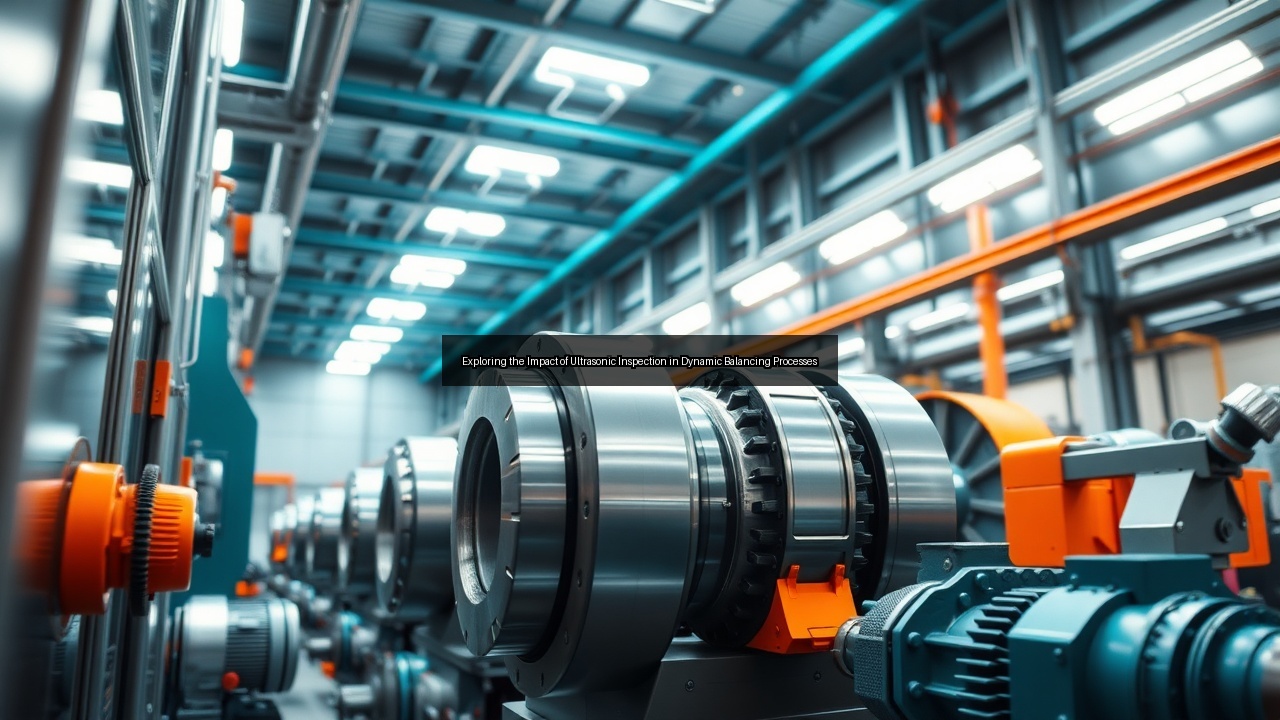
Dynamic balancing service corrects uneven weight distribution in rotating components to eliminate vibration during operation. Technicians mount rotors on a balancing machine that spins them at operational speeds while sensors detect imbalances. This process applies to electric motor balancer setups and motor balancers used in industrial plants. Accurate corrections prevent excessive wear on bearings and extend equipment life across pumps and compressors.
Engineers rely on precise measurements to add or remove material from specific points on the rotor. The service handles everything from small electric motors to large gas turbine assemblies. Data from the balancing machine guides adjustments that restore smooth motion and reduce stress on connected instrumentation.
Importance of Dynamic Balancing in Engineering
Proper dynamic balancing service improves reliability by minimizing vibration that leads to fatigue failures. Plants achieve higher uptime when rotors in turbines and gear systems operate without destructive forces. This engineering practice directly supports condition monitoring programs that track equipment health over time.
Industries count on balanced components to maintain product quality and safety standards. Unbalanced rotors cause premature corrosion in liquid handling systems and increase energy consumption in compressors. Regular dynamic balancing service prevents these issues and optimizes overall plant performance.
Applications in Different Industries
Dynamic balancing service supports oil and gas operations by stabilizing compressors and pumps that move volatile fluids. Electric motor balancing services keep production lines running smoothly in manufacturing facilities. Gas turbine rotors receive the same treatment to ensure efficient power generation.
Food processing plants use motor balancing service on mixers and conveyors to avoid contamination risks from vibration-induced leaks. Mining operations apply dynamic balancing solutions to heavy-duty gear assemblies exposed to abrasive environments. Each sector benefits from reduced downtime and lower maintenance costs through targeted balancing.
The Role of Ultrasonic Inspection in Dynamic Balancing
How Ultrasonic Inspection Works
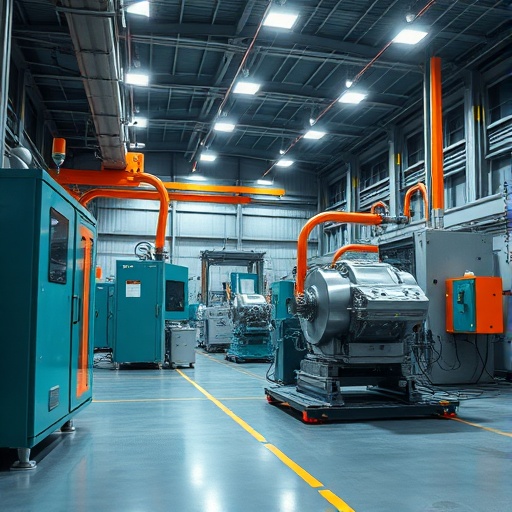
Ultrasonic inspection sends high-frequency sound waves through metal parts to reveal internal flaws before they affect balance. Technicians combine this method with a balancing machine to verify rotor integrity during the dynamic balancing service. Waves reflect off cracks or voids, providing immediate information about material condition.
The process works effectively on thick sections common in gas turbine disks and compressor impellers. Operators interpret echo patterns to locate defects that traditional visual checks miss. This inspection step ensures only sound components enter the final balancing phase.
Benefits of Using Ultrasonic Inspection
Ultrasonic inspection adds a critical layer of quality control to dynamic balancing service. Early detection of corrosion or inclusions prevents catastrophic failures in high-speed rotors. Plants gain greater reliability when they confirm material soundness before final adjustments on the balancing machine.
The technique reduces scrap rates by identifying repairable issues instead of discarding entire parts. It also supports compliance with engineering standards that demand thorough examination of critical rotating equipment. Overall, this inspection method shortens turnaround times while improving safety margins.
Integrating Ultrasonic Technology with Balancing Machines
Modern balancing machines incorporate ultrasonic probes that scan rotors during spin tests. This integration allows simultaneous balancing and inspection in one setup. Operators receive real-time data on both weight distribution and internal integrity for electric motor balancing services.
Software links ultrasonic results directly to correction recommendations on the machine interface. Plants handling multiple compressors and pumps streamline workflows by eliminating separate inspection stations. The combined approach delivers faster, more accurate outcomes for complex turbine components.
Enhancing Reliability and Performance through Condition Monitoring
Condition Monitoring Techniques
Condition monitoring tracks vibration signatures, temperature trends, and oil analysis to predict maintenance needs in rotating machinery. Dynamic balancing service forms the foundation by establishing baseline performance levels for motors and turbines. Technicians compare ongoing readings against these baselines to spot developing issues early.
Advanced techniques include spectral analysis that isolates specific frequencies linked to imbalance or bearing wear. Plants apply these methods across fleets of compressors and pumps to maintain consistent output. Effective monitoring extends intervals between overhauls while protecting against unplanned stops.
Use of Sensors in Dynamic Balancing Processes
Sensors mounted on balancing machines capture precise motion data during test runs. These devices feed information into control systems that guide weight placement for optimal results. In dynamic balancing service applications, sensors also monitor temperature and acoustic emissions from rotors under load.
Wireless sensor networks allow continuous oversight of installed equipment in remote plants. Engineers use the collected data to schedule follow-up balancing on electric motors or gear sets before vibration exceeds acceptable limits. This proactive approach protects instrumentation and reduces overall operating costs.
Calibration and Amplification of Data
Calibration ensures sensors on balancing machines deliver accurate readings every time. Technicians verify scale factors and zero points against certified references before each dynamic balancing service. Proper calibration prevents false corrections that could worsen imbalance in sensitive turbine rotors.
Amplification circuits boost weak signals from ultrasonic probes and vibration sensors without introducing noise. Plants maintain detailed records of calibration events to support audit trails and reliability programs. Accurate data handling leads to better decisions about when to perform balancing on compressors and pumps.
Standards and Certifications in Dynamic Balancing
ISO 9001 Certification and Its Importance
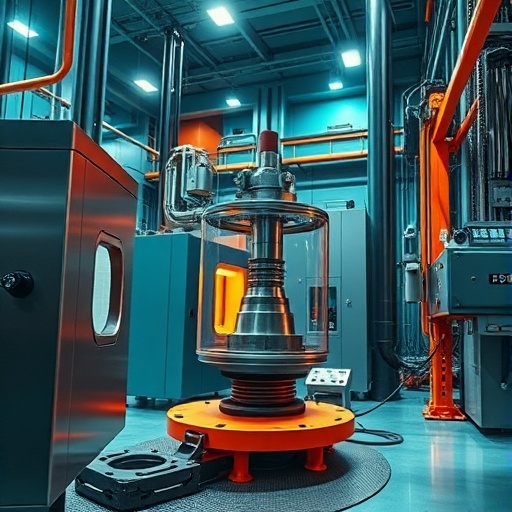
ISO 9001 certification demonstrates that a provider follows documented processes for every dynamic balancing service. Companies achieve this standard by controlling equipment calibration, operator training, and quality records. Clients gain confidence that rotors receive consistent treatment regardless of size or application.
The certification covers service delivery for electric motor balancing services and large gas turbine work alike. It drives continuous improvement through regular internal reviews and customer feedback integration. Plants prefer certified partners when sourcing dynamic balancing solutions for critical assets.
Auditing Dynamic Balancing Services
Audit procedures examine balancing machine performance, sensor accuracy, and documentation practices. External auditors review completed jobs on compressors and pumps to verify compliance with stated procedures. Findings help identify gaps before they affect equipment reliability in the field.
Regular audits also cover training records for technicians who perform ultrasonic inspection alongside balancing. Plants that conduct their own supplier audits confirm that dynamic balancing service providers maintain high standards. This oversight protects against costly failures downstream.
Compliance with Engineering Standards
Engineering standards specify acceptable residual imbalance levels for different rotor classes. Dynamic balancing service providers follow these limits when working on motors, turbines, and gear assemblies. Compliance ensures safe operation and meets insurance requirements for industrial plants.
Standards also address integration of condition monitoring data with balancing results. Providers document every step to demonstrate adherence during certification renewals. Meeting these requirements builds long-term trust with operators of compressors and liquid handling systems.
Future Trends in Dynamic Balancing Technologies
The Impact of Laser and Infrared Thermography
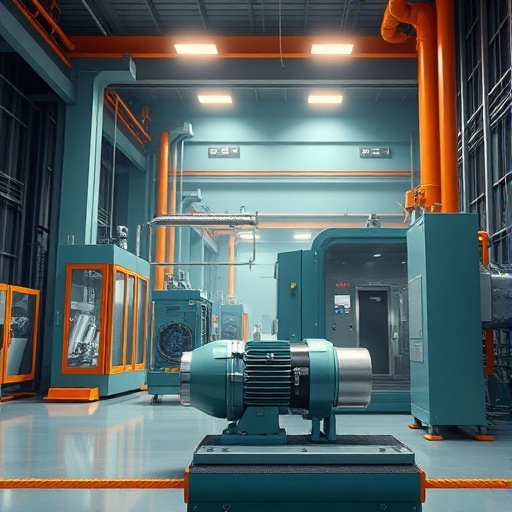
Laser alignment tools now complement traditional balancing machines by ensuring shafts remain true after corrections. Infrared thermography detects hot spots caused by friction in unbalanced rotors during test runs. Together these technologies enhance dynamic balancing service accuracy for high-speed turbines.
Plants apply laser scanning to map rotor surfaces before weight adjustments. Infrared cameras reveal temperature patterns that indicate hidden imbalance effects. Both methods speed up troubleshooting on electric motor balancer jobs and improve final balance quality.
Sustainability in Dynamic Balancing Solutions
Sustainability efforts focus on extending equipment life through precise dynamic balancing service that reduces energy waste. Balanced rotors consume less power in pumps and compressors, lowering carbon output across plants. Providers recycle correction weights and minimize material removal during the process.
Modern balancing machines use efficient drives that cut electricity use during tests. Plants track sustainability metrics tied to reduced vibration and longer intervals between overhauls. These practices align dynamic balancing solutions with broader environmental goals in oil and gas operations.
Emerging Technologies in Dynamic Balancing Services
Artificial intelligence now analyzes sensor data from balancing machines to predict optimal correction strategies. Emerging systems integrate ultrasonic inspection results with vibration spectra for comprehensive rotor assessment. Dynamic balancing service providers adopt these tools to handle complex gas turbine and compressor rotors more efficiently.
Cloud platforms allow remote experts to review balancing data from multiple plants in real time. This connectivity supports faster decision-making and standardized procedures across global operations. Future services will combine these advances with expanded condition monitoring for complete asset management.
See Also
- How Dynamic Balancing Solutions Drive Sustainability in Modern Manufacturing
- The Role of Dynamic Balancing in Enhancing Reliability of Compressors and Turbines
- Dynamic Balancing and Condition Monitoring for Optimal Plant Performance
- Unlocking Efficiency with Dynamic Balancing Services for Industrial Machines