Innovative Designs in Hydraulic Valve Machining for the Automotive Industry
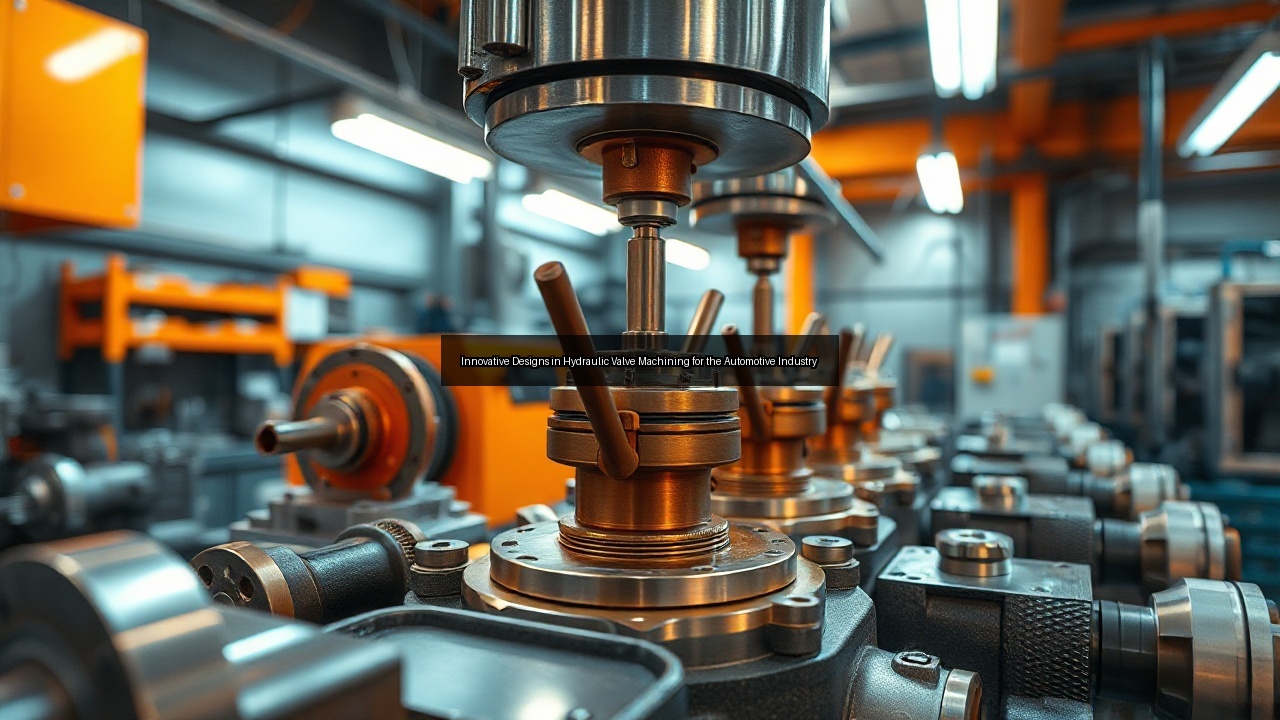
Advancements in Hydraulic Valve Machining Techniques
The Role of CAD in Designing Hydraulic Valves
Computer-Aided Design (CAD) revolutionizes the hydraulic valve machining process by providing precise design capabilities. Engineers leverage CAD software to create intricate designs that enhance performance and efficiency. CAD allows for the visualization of valve components, making it easier to identify potential issues before moving into production. This proactive approach reduces the risk of errors and minimizes costly revisions during the manufacturing phase. Moreover, CAD enables the simulation of hydraulic flow within the valve, ensuring that the design meets the necessary specifications for optimal functionality. Manufacturers can implement changes swiftly, fostering innovation and enhancing the overall design process.
Innovative Drilling Methods for Precision Machining
Drilling serves as a critical aspect of hydraulic valve machining, ensuring that components like spools and passages are accurately formed. Innovative drilling methods, such as high-speed drilling and laser drilling, provide superior precision and efficiency compared to traditional techniques. High-speed drills minimize burrs, resulting in a smoother finish and reduced friction within the valve assembly. Laser drilling offers the ability to create intricate patterns and micro-holes that enhance the functionality of the hydraulic system. These advancements not only improve accuracy but also allow manufacturers to meet stringent tolerances required in automotive applications, ensuring reliable performance under various operating conditions.
Milling Techniques for Enhanced Accuracy
Milling techniques play a vital role in shaping hydraulic valve components with exceptional accuracy. Advanced milling machines equipped with multi-axis capabilities allow for the creation of complex geometries required for modern hydraulic valves. These machines can produce intricate designs and features that contribute to the overall efficiency of hydraulic systems. Additionally, the integration of computer numerical control (CNC) technology enhances the repeatability and precision of the machining process. With CNC milling, manufacturers can achieve tight tolerances, ensuring that each valve performs optimally. The result is a more reliable hydraulic system, crucial for the demanding environments found in the automotive industry.
Material Selection and Its Impact on Performance
Choosing the Right Metal for Hydraulic Valve Components
Material selection significantly influences the performance and longevity of hydraulic valves. Common choices include aluminum, brass, and various steel alloys, each offering unique properties suitable for different applications. Aluminum provides lightweight characteristics and excellent corrosion resistance, making it ideal for applications where weight reduction is critical. Brass, on the other hand, offers good machinability and resistance to wear, often used in low-pressure environments. Steel alloys, particularly those treated for greater strength, cater to high-pressure applications where durability is paramount. Properly assessing the performance requirements and environmental factors ensures that the chosen material aligns with the intended use, promoting effective hydraulic operation.
Impact of Material Properties on Valve Durability
The durability of hydraulic valves hinges on the properties of the chosen materials. Factors such as tensile strength, fatigue resistance, and corrosion resistance come into play when determining how well a valve will perform over time. For example, valves made from high-strength steel can withstand significant stress without deforming, extending their service life in demanding conditions. Conversely, materials susceptible to corrosion may fail prematurely in environments with high humidity or exposure to chemicals. Manufacturers must evaluate these properties carefully to ensure that the hydraulic valve can withstand the pressures and conditions it will face, ultimately leading to higher reliability and lower maintenance costs.
Casting vs. Machining: A Comparative Analysis
When it comes to manufacturing hydraulic valve components, the choice between casting and machining is crucial. Casting allows for the creation of complex shapes with less material waste, making it a cost-effective option for large production runs. However, machining provides superior precision and surface finish, essential for components that require tight tolerances. Combining both methods often yields the best results; manufacturers can cast rough shapes and then machine critical surfaces to achieve the desired specifications. This hybrid approach optimizes production efficiency while ensuring the final product meets the high standards required in the automotive sector.
Quality Control and Functional Testing in Valve Manufacturing
Importance of Tolerances in Hydraulic Valve Machining
Tight tolerances in hydraulic valve machining ensure that components fit together correctly and function as intended. Even minor deviations can lead to performance issues, such as leaks or inefficient operation. Manufacturers use advanced measuring tools to verify that each component meets the specified tolerances. This meticulous attention to detail contributes to the overall reliability and functionality of hydraulic systems. Implementing rigorous quality control measures throughout the machining process helps identify and rectify deviations early, reducing waste and ensuring that the final products adhere to automotive industry standards.
Inspection Techniques for Ensuring Valve Integrity
Inspection techniques play a critical role in maintaining the integrity of hydraulic valves. Non-destructive testing (NDT) methods, such as ultrasonic testing and x-ray inspection, allow manufacturers to detect flaws without damaging the components. These techniques reveal hidden defects that could compromise valve performance, such as cracks or voids within the material. Additionally, visual inspections and dimensional measurements ensure that the machined components adhere to the specified design criteria. A comprehensive inspection strategy not only enhances product reliability but also builds trust with customers who rely on the durability of hydraulic systems in their vehicles.
Functional Testing Methods for Hydraulic Systems
Functional testing verifies that hydraulic valves operate correctly under real-world conditions. Manufacturers conduct a series of tests to assess factors such as flow rates, pressure response, and overall system performance. These tests simulate the operational environment, ensuring that the valve performs reliably when installed in a hydraulic system. Advanced testing rigs and data acquisition systems capture performance metrics, allowing engineers to analyze results and make necessary adjustments. By rigorously testing valves before they reach the market, manufacturers can mitigate the risk of failure, enhancing the safety and efficiency of hydraulic systems in the automotive sector.
Prototyping and Design Optimization in Automotive Applications
Creating Effective Prototypes for Hydraulic Valves
Prototyping is a crucial step in the design process of hydraulic valves, allowing manufacturers to test and refine their concepts before full-scale production. Rapid prototyping techniques, such as 3D printing, enable engineers to create functional models quickly. These prototypes facilitate early-stage evaluations of design, fit, and functionality. By examining prototypes, manufacturers can identify potential design flaws and make adjustments to optimize performance. The ability to iterate rapidly ensures that only the most effective designs proceed to production, reducing time-to-market and increasing overall efficiency in the hydraulic valve manufacturing process.
Optimizing Valve Structure for Better Performance
Optimization of valve structure enhances performance and efficiency in hydraulic systems. Engineers analyze fluid dynamics and pressure distribution to refine valve designs, ensuring that they provide optimal flow characteristics and minimize energy loss. Techniques such as topology optimization allow designers to create lightweight structures without compromising strength, leading to more efficient and responsive hydraulic systems. Additionally, optimizing the spool design within the valve can improve control over fluid flow, resulting in better responsiveness and accuracy. Continuous innovation in design optimization contributes to the advancement of hydraulic technologies in the automotive industry.
The Future of Hydraulic Valve Design in the Automotive Industry
The future of hydraulic valve design promises exciting advancements driven by emerging technologies and materials. The integration of smart technologies into hydraulic systems, such as sensors and actuators, allows for real-time monitoring and adjustments, enhancing system performance and efficiency. Furthermore, the exploration of new composite materials offers the potential for lighter, stronger valves that can withstand demanding conditions while improving fuel efficiency. As the automotive industry shifts toward electrification and sustainability, hydraulic systems will continue to evolve, requiring innovative valve designs that meet these new challenges. The commitment to research and development ensures that hydraulic valve machining remains at the forefront of automotive technology.