Why Air Moisture Control is Critical in Industrial Settings
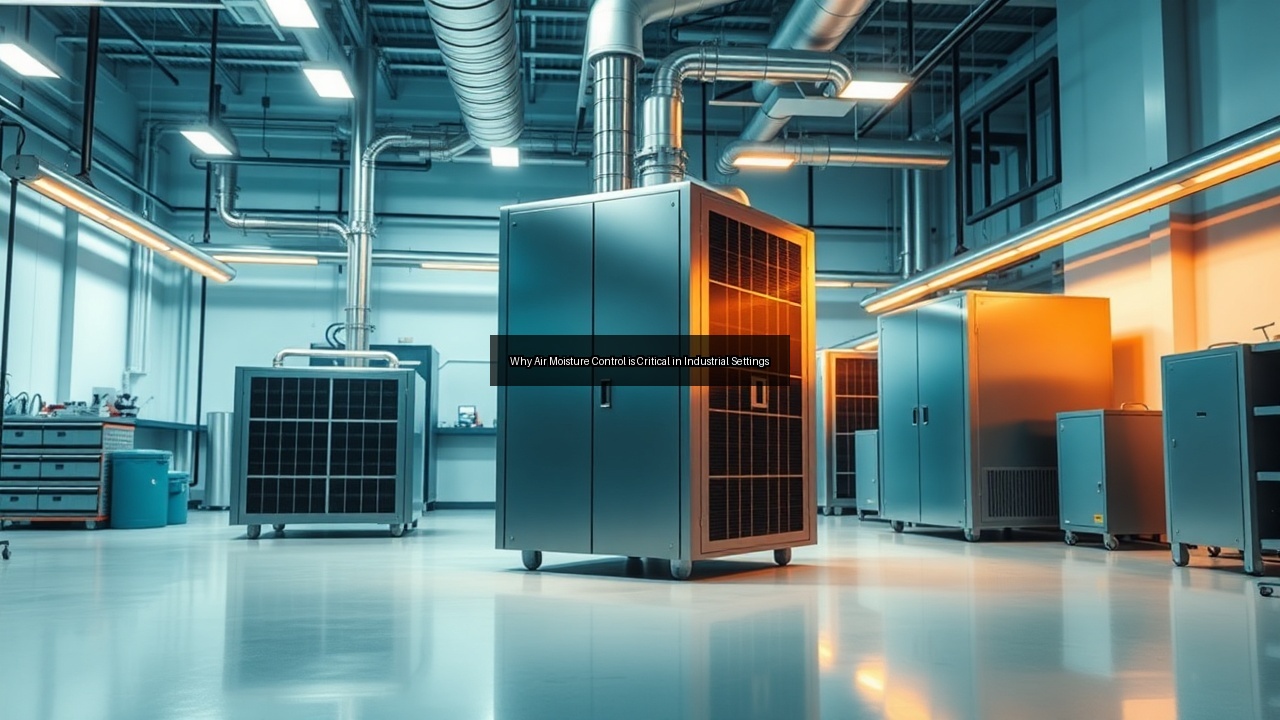
The Importance of Air Moisture Control in Industrial Settings
Understanding Air Moisture Levels
Air moisture levels, or humidity, play a crucial role in various industrial settings. Maintaining optimal humidity ensures that both the environment and the products within it remain stable and effective. High humidity can lead to condensation, which not only affects machinery but also compromises product integrity. Low humidity, on the other hand, can create static electricity problems and lead to dust accumulation. Industrial dehumidifiers are instrumental in controlling air moisture levels, allowing for a balanced environment that meets operational standards. Effective monitoring of humidity levels ensures compliance with industry regulations and enhances overall productivity.
Impact on Product Quality and Safety
Air moisture control directly influences product quality and safety across multiple sectors. In the pharmaceutical industry, for example, excessive moisture can lead to degradation of active ingredients, impacting efficacy. Similarly, in food packaging, high humidity can cause spoilage, mold growth, and contamination risks. An industrial dehumidifier mitigates these risks by maintaining appropriate humidity levels, preserving product quality throughout the manufacturing and storage processes. Consistent moisture control not only protects products but also assures consumers of their safety, enhancing brand reputation and customer trust.
Role of Dew Points in Industrial Processes
Dew points are critical in understanding air moisture control. The dew point is the temperature at which air becomes saturated, leading to condensation. In industrial processes, knowing the dew point helps in preventing moisture-related issues. For example, in the electronics sector, maintaining a dew point below a certain threshold can prevent circuit board damage due to moisture. By leveraging industrial dehumidifiers, companies can lower dew points and ensure that the manufacturing environment remains conducive to high-quality outputs. This knowledge is vital for process optimization and minimizing waste, ultimately contributing to a more efficient operation.
Types of Industrial Dehumidifiers and Their Applications
Desiccant vs. Refrigerant Dehumidifiers
Choosing the right dehumidifier involves understanding the differences between desiccant and refrigerant models. Desiccant dehumidifiers use moisture-absorbing materials to remove humidity, making them ideal for low-temperature environments where refrigerant dehumidifiers may struggle. These units are effective in maintaining air moisture levels in sensitive applications such as pharmaceuticals and food packaging. Refrigerant dehumidifiers, on the other hand, cool the air to condense moisture, efficiently handling standard temperature environments. Selecting the appropriate type based on specific industry needs ensures optimal performance and efficiency in dehumidification processes.
Choosing the Right Dehumidifier for Your Industry
Each industry has unique requirements that dictate the choice of an industrial dehumidifier. For instance, the pharmaceutical industry demands extreme precision in humidity control to maintain product efficacy. In contrast, the food packaging sector requires dehumidifiers to prevent spoilage and preserve freshness. Assessing the specific environmental conditions, product sensitivity, and operational processes helps in selecting the right industrial-grade dehumidifier. Factors such as air volume, temperature range, and moisture load must be considered to ensure that the chosen dehumidifier effectively meets the operational needs and enhances productivity.
Industrial Applications: Food Packaging and Pharmaceuticals
Industrial dehumidifiers find vital applications in sectors like food packaging and pharmaceuticals. industrial-grade dehumidifers In food packaging, maintaining low humidity prevents mold growth and extends shelf life, ensuring that products remain safe for consumption. The pharmaceutical industry relies on precision moisture control to protect sensitive ingredients and uphold regulatory compliance. In both cases, industrial dehumidifiers play a pivotal role in maintaining air quality, enhancing product safety, and ensuring operational efficiency. By investing in the right dehumidification systems, businesses can significantly improve product quality and reduce waste, leading to higher profitability and customer satisfaction.
Optimizing HVAC Systems with Dehumidifiers
Integration of Dehumidifiers in HVAC Systems
Integrating dehumidifiers into HVAC systems enhances climate control in industrial settings. This synergy allows for better management of air moisture levels, improving overall indoor air quality. By installing a dehumidifier alongside existing HVAC units, facilities can create a more comfortable and healthy work environment. The combination of heating, ventilation, and air conditioning with effective dehumidification leads to optimized energy usage and enhanced employee well-being. Properly configured systems can maintain desired humidity levels, thereby protecting sensitive equipment and materials from moisture damage.
Effective Climate Control for Electronics
Electronics manufacturing requires stringent climate control to prevent moisture damage. High humidity levels can lead to corrosion and malfunction of electronic components. By incorporating an industrial dehumidifier into the HVAC system, manufacturers can maintain optimal humidity levels, ensuring product reliability and longevity. Effective climate control reduces the risk of defects and minimizes costly rework, making it essential for maintaining high-quality standards in production. Regular monitoring and adjustment of humidity levels safeguard against potential moisture-related issues, preserving the integrity of sensitive electronic products.
Troubleshooting Common Issues in Dehumidification
Despite their effectiveness, industrial dehumidifiers may face operational challenges requiring troubleshooting. Common issues include inadequate moisture removal, high energy consumption, and unexpected noise levels. To address these problems, regular maintenance of the dehumidifier is crucial. Checking blower performance, ensuring proper airflow, and verifying CFM (cubic feet per minute) ratings help maintain optimal operation. Additionally, monitoring the overall HVAC system can identify potential issues that may affect dehumidification efficiency. Proactive maintenance and troubleshooting techniques ensure that dehumidifiers perform effectively, safeguarding product quality and operational efficiency.
Measuring and Maintaining Dehumidification Efficiency
Understanding CFM and Its Importance
CFM (cubic feet per minute) measures the airflow rate in a dehumidification system. Understanding CFM is vital for selecting the right industrial dehumidifier for specific applications. Higher CFM ratings indicate a greater capacity for moisture removal, which is essential in high-humidity environments. Accurate calculations of CFM ensure that the dehumidifier can handle the moisture load effectively, preventing potential issues related to excess humidity. Monitoring airflow rates dehumidifiers for industrial locations regularly helps maintain optimal performance, contributing to consistent air quality and efficiency in industrial processes.
Regular Maintenance for Industrial Dehumidifiers
Regular maintenance is essential for ensuring the longevity and efficiency of industrial dehumidifiers. Routine tasks include cleaning or replacing filters, inspecting the blower, and checking for any signs of wear or damage. Scheduled maintenance prevents issues such as reduced airflow and inefficient moisture removal. Keeping the dehumidifier in top condition not only enhances its performance but also maximizes energy efficiency, resulting in lower operational costs. A well-maintained dehumidifier contributes significantly to maintaining the right air moisture levels, protecting products and improving overall productivity.
Performance Monitoring and Troubleshooting Techniques
Effective performance monitoring of industrial dehumidifiers is vital for maintaining optimal air moisture control. Regularly checking humidity levels and comparing them to operational standards help identify deviations that may signal performance issues. Employing troubleshooting techniques, such as examining the unit for leaks or irregular noises, can pinpoint problems early, allowing for prompt repairs. Implementing a systematic approach to monitoring and troubleshooting ensures that industrial dehumidifiers function at peak efficiency, safeguarding product quality and supporting operational goals.
See Also
- Desiccant vs Refrigerant Industrial Dehumidifiers Which is Best?
- The Science Behind Effective Dehumidifying in Industrial Environments
- The Role of Industrial Dehumidifiers in Food Packaging Preservation
- Choosing the Right CFM for Your Industrial Dehumidifier A Comprehensive Guide
- The Future of Climate Control with Advanced Industrial Dehumidifiers